Printers are made to print on more than just letter-sized paper. How well a printer works in a home, business, or artistic space depends a lot on how well it works with different paper sizes. Different printers are made to work with different sizes of paper, from standard documents to large drawings. Knowing about this aspect helps users make smart choices, stay within their budgets, and make sure the printer they choose is right for the job they want to do. If you know how paper size support works, you won't have to deal with frustration when printing reports, pictures, marketing materials, or technical drawings.
1. Routine Printing Paper Sizes
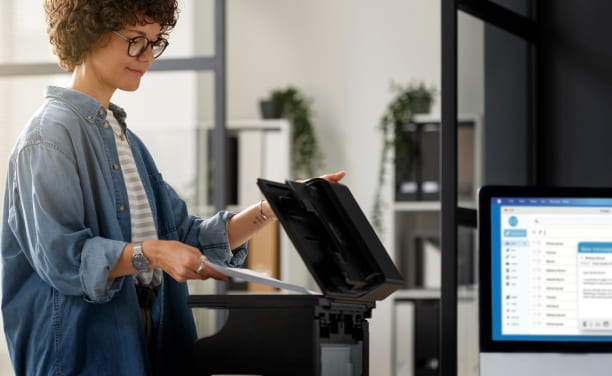
A4, Letter, and Legal are some of the most popular paper sizes that home and office printers can handle. These file types can be used to print papers, forms, homework, and other everyday items. When a printer says it can handle these sizes, it generally means that the paper tray and feed system are set up to work well with all of them. For everyday use, these common formats make sure that everything works smoothly and requires few changes.
2. Large Printing with Wide Format
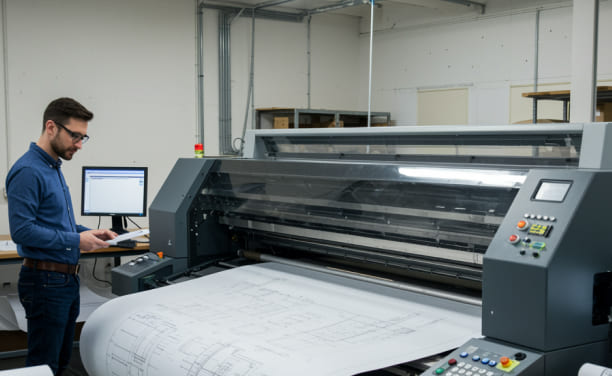
Large-format printers are made to print on larger sheets of paper than most offices can handle. Posters, architectural drawings, signs, and presentation images can all be printed in these sizes. Their internal parts, like rollers and feed paths, are designed to move bigger sheets without warping them. This feature is necessary for professionals who need accurate scaling and clear images all the way to the edges of bigger documents.
3. Specialty and Photo Media Sizes
Some printers work best with smaller, more specific types of paper that are often used for art or photos. Some of these are postcard-sized sheets and square forms. Specialty media printers usually have trays that can be adjusted or manual feed choices. This gives users the freedom to print both documents and high-quality images without having to use two different machines.
4. Tray and Manual Feed Options
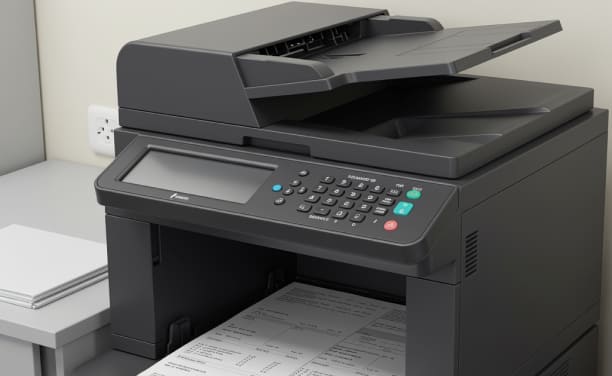
Supporting different paper sizes means more than just what a printer can print. It also means how the paper is added. With adjustable trays, users can change the guides' width and length to fit people of different sizes. When writing on non-standard sizes or thicker paper, manual feed slots come in handy. Printers with flexible loading systems can better adapt to different writing needs.
5. Paper Size and Print Quality
The size of the paper affects how the text is laid out and sized when it is printed. For more detail and visual space, larger sheets are better, while smaller formats need exact layout changes. Printers that can print in a variety of sizes usually have settings that help keep the proportions and readability the same no matter the format. Picking a printer that fits the size of the paper you want to use will help you get regular visual results.
6. Multi-Size Software and Drivers
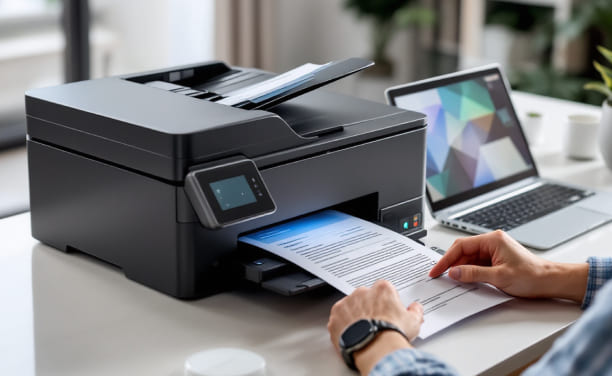
Software for the printer is very important for dealing with different sizes of paper. Drivers come with presets for different files, so users can pick the right one before they print. This makes sure that the machine feeds paper properly and puts content in the right place. Even printers that are suitable with hardware might not work right if they don't have the right software support.
Paper size flexibility is one of the most important things to look for in a printer. It changes not only what can be printed but also how well the machine works for everyday jobs or special projects. Users can pick printers that work well for them by thinking about standard formats, wide-format needs, tray freedom, and how well the printer works with software. Knowing what paper sizes are supported will help your printer work better, require fewer changes, and be more effective overall.

All product names, images, brand logos, and trademarks displayed on this website are the property of their respective owners and are used for identification purposes only. PC Packard operates as an independent e-commerce retailer and is not affiliated with, endorsed by, or sponsored by any manufacturer unless explicitly stated. Product availability, specifications, and pricing are subject to change without prior notice. While we strive to provide accurate and up-to-date information, PC Packard does not guarantee that all content on this site is complete, current, or free from errors.



Copyright © 2026 PC Packard. All rights reserved.